
Call Today for a FREE Consultation
210-342-3400
Recent Blog Posts
How Are Non-Judicial Foreclosures Handled in Texas?
 Families that experience financial difficulties may struggle to pay certain bills and expenses. In some cases, financial issues may cause a family to get behind on mortgage payments, and a lender may begin foreclosure proceedings. In Texas, lenders will usually use non-judicial foreclosure, meaning that a foreclosure can be completed without the need to go to court and receive approval from a judge. Homeowners will want to understand the procedures followed during this type of foreclosure, and by working with an attorney, they may be able to take steps to prevent the loss of their home.
The Non-Judicial Foreclosure Process
Most mortgages in Texas will use a deed of trust involving three parties: the lender, the borrower, and the trustee. The trustee will hold the title to the property, and the deed of trust will usually include a “power of sale” clause that allows the trustee to sell the home if the homeowner defaults on mortgage payments. This clause allows for a non-judicial foreclosure.
Is a Short Sale of My Home a Good Alternative to Bankruptcy?
 Homeowners who have experienced financial difficulties may struggle to make payments on multiple debts, including their mortgage. Those who have missed payments may be facing the threat of foreclosure, as well as harassment from other creditors seeking to recover payment for the debts that are owed. In this type of situation, a homeowner may be considering bankruptcy, but they should also be aware of other alternatives that may be available, including completing a short sale of their home.
Benefits and Drawbacks of a Short Sale
The real estate market often experiences fluctuations and a home may lose value for a variety of reasons. When a home is “underwater,” meaning that more is owed on the mortgage than the home is worth, the homeowner may be able to complete a short sale. In this type of sale, the home will be sold for its current market value, and the borrower may be released from the requirement to pay the additional amount owed on the mortgage.
New Laws and Court Rulings May Affect Bankruptcy and Student Loans
 While borrowers have several options for receiving relief from their outstanding debts, student loans can often present difficulties, and a person may worry that they will be required to pay these debts, regardless of their ability to do so. In many cases, student loans cannot be discharged through bankruptcy unless a person is able to show that they have experienced “undue hardship.” However, this may be changing based on the potential passage of a new law, as well as a recent court ruling.
Bill Would Restore the Ability to Discharge Student Loans Through Bankruptcy
Prior to 1998, borrowers were allowed to file for bankruptcy and discharge federal student loans that were at least 10 years old, but following a change in the law, these loans can now only be discharged based on undue hardship. Currently, most people are unable to eliminate student loans that were obtained through government programs or backed by the federal government unless they can prove that repaying these loans would cause extreme financial difficulties that would affect their ability to provide for themselves. Meeting these standards can be difficult, and since few borrowers are able to discharge their student loans, many people are required to repay these debts throughout their entire lifetime.
How Loan Modifications Can Provide an Alternative to Bankruptcy
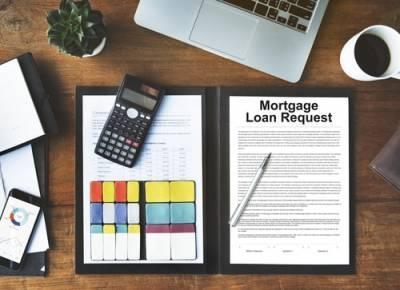 There are many reasons why homeowners may struggle to make ongoing mortgage payments while also covering other necessary expenses. This has been a major concern during the COVID-19 pandemic, which has led many people to lose their jobs or suffer other financial setbacks. While bankruptcy may be an option for some who are unable to repay their debts, homeowners should also be aware of the various alternatives to bankruptcy that may be available. These include requesting loan modifications that will allow them to maintain ownership of their homes while ensuring that they will be able to make affordable payments.
Types of Loan Modifications That May Be Available
Debtors who have experienced financial hardship, such as the loss of a job or health issues that have led to increased medical expenses, may be able to qualify for a loan modification. The eligibility for a modification and the types of modifications that may be available will vary depending on the lender. Typically, a debtor can apply for a loan modification if they have missed one or more payments. Potential loan modifications may include:
What Options Do Homeowners Have to Avoid Foreclosure Due to COVID-19?
 For over a year, people throughout the United States have experienced multiple types of financial difficulties. Many families have had to deal with health issues related to COVID-19, resulting in large medical bills and affecting people’s ability to work and earn an income. Others have suffered job losses or decreases in work hours and income due to pandemic-related business closures. These financial problems have caused some families to be unable to cover their ongoing expenses, including mortgage payments. While many homeowners have been protected from foreclosure by a moratorium put in place by the federal government, this moratorium is coming to an end on July 31, 2021. However, federal agencies have implemented new rules and procedures that may help homeowners avoid the loss of their homes.
Lenders Required to Provide Borrowers With Options to Avoid Foreclosure
Am I Eligible for Cramdowns or Lien Stripping in a Chapter 13 Bankruptcy?
 Anyone who struggles with significant debts will want to understand the options that may allow them to reduce or eliminate what they owe. Chapter 7 bankruptcy is often the ideal option for those who do not own significant assets since it can be completed quickly and will allow a person’s unsecured debts (such as credit card balances) to be discharged. However, those who have secured debts (such as a mortgage or car loan) or who own significant assets may need to use Chapter 13 bankruptcy. In these cases, debtors may have options for reducing the debts they owe through methods known as “cramdowns” and “lien stripping.”
Addressing Secured and Unsecured Debts in a Chapter 13 Bankruptcy
In a Chapter 13 bankruptcy, a person’s unsecured debts will be consolidated into a repayment plan. The debtor will make payments on this plan over a period of three to five years, and once all payments in the plan have been made, the remaining unsecured debts included in the plan will be discharged. Typically, a person will need to make ongoing payments on secured debts along with the payments made during their Chapter 13 repayment plan.
What Assets Are Exempt From Liquidation in a Chapter 7 Bankruptcy?
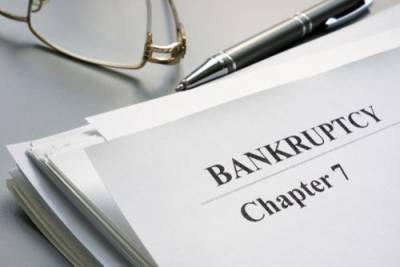 Debt can be a difficult issue for anyone to deal with. Fortunately, bankruptcy can provide relief for those who find themselves unable to pay the debts they owe while also covering their ongoing expenses. In many cases, Chapter 7 bankruptcy is the preferable option, since it will allow most debts to be eliminated quickly and easily. This form of debt relief is referred to as a “liquidation bankruptcy” since the bankruptcy trustee may seize some of a debtor’s assets and sell them to pay off the debts owed to creditors. However, certain types of assets are exempt from liquidation. By understanding what exemptions apply to them, debtors can determine whether Chapter 7 bankruptcy is their best option or whether they should choose a Chapter 13 bankruptcy instead.
Bankruptcy Exemptions in Texas
Those who live in the state of Texas can take advantage of some of the most generous bankruptcy exemption laws in the United States, and if necessary, they can use the federal bankruptcy exemptions as an alternative. Homeowners can use the homestead exemption for the equity they own in their homes. In Texas, there are no limits on the amount of a homestead exemption that can be claimed, as long as the home is located on a property that falls within certain size limits. For urban homes located in a city or municipality, a lot can be no larger than 10 acres. For rural homes, a homestead may consist of up to 100 acres for a single person or 200 acres for a family. When filing for Chapter 7 bankruptcy, a homeowner may be able to avoid the foreclosure of their home if they make up any missed mortgage payments and will be able to continue making payments after completing the bankruptcy process.
Pandemic Relief Payments Still Excluded from Chapter 13 Calculations
 The recent CARES Act deadline for excluding pandemic relief payments from Chapter 13 “current monthly income” was extended to March 27, 2022.
Way back in March 2020, the CARES Act made some helpful temporary changes to consumer bankruptcy law. (See our blog post in April 2020 about this.) Some of these changes would have expired, but in the meantime, Congress passed two other laws which extended the changes. These are still temporary, so it’s important to know the new deadlines. Last week we focused on one change dealing with Chapter 7’s means test. Today we focus on a similar change and new deadline about Chapter 13’s crucial “current monthly income” calculation.
The Crucial Role of Your “Current Monthly Income” in Your Chapter 13 Payment Plan
The Chapter 13 “adjustment of debts” consumer bankruptcy option provides many advantages over Chapter 7 “straight bankruptcy” for many people. Chapter 13 tends to be better for those with tax and child/spousal support debts, vehicle and home mortgage loans, and more than usual or unusual assets. It involves paying into a monthly Chapter 13 plan for the benefit of your creditors. Usually, that plan allows you to prioritize paying your more important creditors over the rest of them.
Means Test Extension beyond the CARES Act
 The CARES Act’s March 27, 2021 deadline for excluding pandemic relief payments from the means test was extended by one year to March 27, 2022.
At the beginning of the pandemic, the CARES Act made some helpful temporary changes to consumer bankruptcy law. (See our blog post in March 2020 about this.) Those changes had expiration dates which have now passed. However, in the meantime, Congress passed two other laws which extended the changes. They are still temporary changes. As time passes, these consumer bankruptcy law changes and their new expiration dates continue to be important. Today we focus on one of these changes pertaining to the Chapter 7 means test.
All Pandemic Relief Payments Excluded as Income for the Means Test
The point of this first change is to prevent the pandemic relief payments from disqualifying people from Chapter 7, “straight bankruptcy.” People could receive and spend their payments without jeopardizing their bankruptcy options. Here’s how it works.
Can I File For Bankruptcy Without My Spouse if I Am Married?
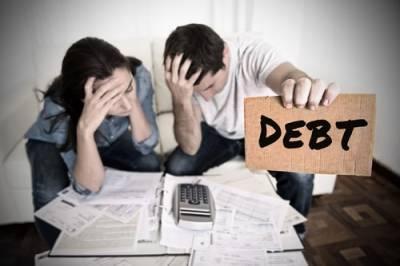 One of the biggest concerns that people have when they file for bankruptcy is how it will affect their financial situation. Many people who are married have shared finances with their spouse, making bankruptcy that much more difficult. Many people falsely believe that when they are married, they must file for bankruptcy along with their divorce. However, even if you are married and have joint finances with your spouse, you can still file for bankruptcy individually. It is important to note, though, that filing for bankruptcy without your spouse can have an adverse effect on his or her credit, depending on the situation.
What Happens to Our Property?
In Texas, any property that either spouse acquires during the course of the marriage is considered to be joint property. However, for the purposes of bankruptcy, joint property is only considered to be that which has both you and your spouse’s name on it. For example, if a person files bankruptcy separately from their spouse in Texas, all of the property that they own -- even jointly -- is part of the bankruptcy estate. This means a spouse’s vehicle can also be included in the bankruptcy estate, even if they have financed the vehicle alone.
Contact Our Firm
 The use of the Internet or this form for communication with the firm or any individual member of the firm does not establish an attorney-client relationship. Confidential or time-sensitive information should not be sent through this form.
I have read and understand the Disclaimer and Privacy Policy.

Call Today for a FREE Consultation
210-342-3400